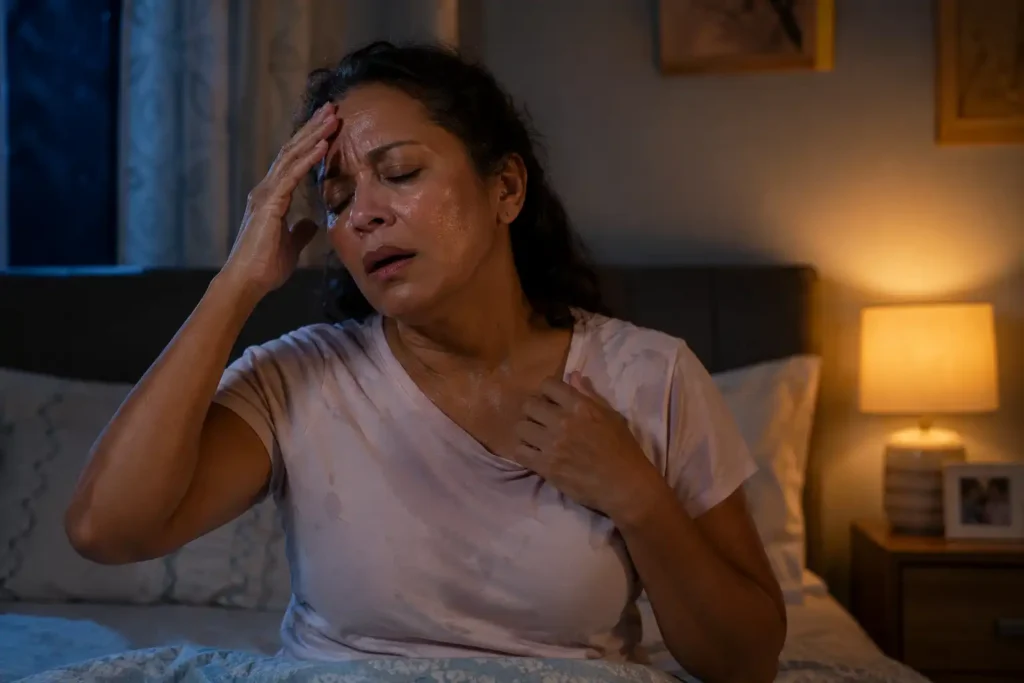
Understanding Menopause Symptoms, Causes And Relief
Understanding Menopause Symptoms, Causes And Relief
Series: Women’s Wellness in Trinidad & Tobago
Hot flashes, poor sleep, mood changes, brain fog and weight gain can leave many
women wondering what is happening to their bodies. Menopause is natural, but
you should not have to navigate it without information, compassion and support.
Reading time: 10–12 min • Updated:
You do not have to figure this out on your own.
Menopause can affect your sleep, mood, confidence, relationships and everyday
routine. Start by speaking with someone you trust, your doctor, gynaecologist
or a pharmacist who can help you understand your next step.
Tip: Write down your symptoms, when they occur and how they affect your daily
life before speaking with a healthcare professional.
Perhaps you have started waking in the middle of the night feeling unusually
hot, restless or drenched in sweat.
Maybe you have noticed that you are becoming more forgetful, irritable,
anxious or exhausted, even though nothing obvious has changed.
Your clothes may fit differently. Your periods may have become unpredictable.
You may feel uncomfortable during intimacy or less interested in it altogether.
At some point, you may quietly ask yourself:
“Why do I no longer feel like myself?”
If this sounds familiar, you are not alone.
Many women across Trinidad and Tobago experience these changes quietly. Some
feel embarrassed discussing them. Others are told that menopause is simply
something they must tolerate.
Menopause is a natural stage of life, but that does not mean your symptoms
should be ignored. Understanding what is happening can help you seek the right
emotional, lifestyle and medical support.
At Pharmore, our goal is to help women feel heard and informed
before recommending any product. Support begins with a conversation.
1) What Is Menopause?
Menopause is a natural point in a woman’s life when menstrual periods have
stopped permanently.
It is generally confirmed after 12 consecutive months without a
menstrual period, when there is no other medical explanation.
Most women experience natural menopause between the ages of 45 and 55,
although it can occur earlier because of genetics, surgery, certain treatments
or other medical factors.
Menopause occurs as the ovaries gradually produce less estrogen and
progesterone. These hormones influence much more than reproduction.
🌸
Natural life stage
📅
12 months without a period
👩🏽
Often between ages 45–55
💜
Different for every woman
Key takeaway: Menopause is not a disease, but its symptoms
can still significantly affect a woman’s quality of life.
“A natural transition can still require real support.”
— Pharmore Women’s Wellness
2) Symptoms May Begin Before Menopause
Many women are surprised to learn that menopause symptoms may begin years
before their final period.
This stage is known as perimenopause, or the menopausal
transition.
During perimenopause, estrogen and progesterone levels may rise and fall
unpredictably. Periods may still occur, but their timing, duration and flow
can change.
Perimenopause
The transition leading up to menopause.
Irregular periods
Heavier or lighter bleeding
Hot flashes
Night sweats
Mood changes
Difficulty sleeping
Menopause
Confirmed after 12 months without a menstrual period.
Periods have stopped
Hot flashes may continue
Sleep may remain disrupted
Vaginal symptoms may occur
Bone health becomes important
Heart-health risks should be reviewed
Key takeaway: You do not need to wait until your periods
have completely stopped before asking for help with symptoms.
3) Menopause Is More Than Hot Flashes
Hot flashes and night sweats are widely recognised, but menopause can affect
many areas of a woman’s health and everyday life.
Symptoms vary from one woman to another. Some experience only mild changes,
while others find that symptoms interfere with work, sleep, relationships and
emotional wellbeing.
🔥 Hot flashes
💧 Night sweats
😴 Poor sleep
🧠 Brain fog
😟 Anxiety
😔 Mood changes
⚖️ Weight changes
🦴 Joint aches
🌵 Vaginal dryness
💓 Palpitations
The Reality
Not every woman experiences every symptom. Symptoms may change over time and
can range from occasional discomfort to significant disruption.
4) “I Don’t Feel Like Myself Anymore”
For many women, the hardest part of menopause is not the physical discomfort.
It is the feeling that they no longer recognise themselves.
You may feel less patient, more emotional, less motivated, unusually worried
or constantly tired.
You may forget familiar words, struggle to concentrate or feel overwhelmed by
tasks you previously managed easily.
Please Remember
Your symptoms are real.
Your concerns matter.
Asking for help is not a sign of weakness.
❤️ Speak to your partner
🤝 Confide in a friend
👩👩👧 Talk to family
💬 Ask a pharmacist
🩺 See your doctor
“Sometimes the first step towards feeling better is simply allowing someone
to understand what you are going through.”
— Pharmore Women’s Wellness
5) Why Does Weight Often Change Around Menopause?
Many women notice that weight begins accumulating around the waist even though
their eating habits have not changed significantly.
Hormonal changes may influence where fat is stored, but ageing, reduced muscle
mass, poor sleep, stress and lower physical activity may also contribute.
Changes That May Be Involved
Reduced muscle mass
Lower daily energy expenditure
Changes in fat distribution
Sleep disruption
Stress-related eating
Changes in insulin sensitivity
Key takeaway: Weight changes do not mean you have failed.
Your body may now require a different combination of food, movement, rest
and professional support.
6) When Should You See a Doctor?
Menopause is natural, but not every symptom should automatically be attributed
to menopause.
A doctor can help determine whether symptoms are related to menopause,
medication effects, thyroid disease, anaemia, a heart condition or another
health concern.
🩸 Heavy or prolonged bleeding
🚨 Bleeding after menopause
💔 Chest pain or breathlessness
😞 Severe depression or anxiety
⚠️ Persistent pelvic pain
Seek medical advice for unexplained weight loss, unusual bleeding, severe
symptoms, or changes that interfere with your ability to work, sleep or
manage everyday life.
7) Health Checks to Discuss With Your Healthcare Provider
Menopause can be a useful time to review your overall health rather than
focusing only on individual symptoms.
Your doctor can recommend tests and screenings based on your age, symptoms,
family history, existing medical conditions and medicines.
❤️ Blood Pressure
Helps identify hypertension and monitor cardiovascular risk.
🩸 Blood Sugar
HbA1c or fasting glucose may help identify prediabetes or diabetes.
🧪 Lipid Profile
Measures cholesterol and helps assess heart-health risk.
🦋 Thyroid Testing
Thyroid conditions may cause symptoms that resemble menopause.
🦴 Bone Density
A DEXA scan may be recommended based on age and osteoporosis risk.
🎗️ Women’s Screening
Mammograms and cervical screening should follow professional advice.
Know Your Numbers
Blood pressure and blood sugar checks can help identify health risks that may
otherwise remain unnoticed.
There is no single menopause solution that is right for every woman.
Some women improve with lifestyle changes and emotional support. Others may
benefit from prescription treatments, including hormone or nonhormone
therapies, after discussing their personal benefits and risks with a doctor.
The best approach depends on your symptoms, health history, medicines and
personal preferences.
A Practical Starting Plan
🥗 Eat Regular, Balanced Meals
Include vegetables, fruit, protein, fibre-rich foods, healthy fats and
calcium-rich choices.
🚶 Keep Moving
Walking, strength training, swimming, dancing and yoga may support mood,
muscle, bones and sleep.
🌙 Protect Your Sleep
Keep a consistent bedtime, limit late caffeine and maintain a cool,
comfortable bedroom.
🧘 Manage Stress Gently
Try breathing exercises, prayer, meditation, quiet time, music or
supportive conversations.
Helpful Resource
Learn more about menopause, symptoms and available care.
Ask whether blood sugar or cholesterol testing is appropriate
Establish a consistent sleep routine
Begin gentle resistance or weight-bearing exercise
Speak with a pharmacist before starting a supplement
Your Three-Step Starting Point
1. Talk: Tell someone you trust what you have been
experiencing.
2. Check: Review concerning symptoms and health risks with
a healthcare professional.
3. Act: Choose one realistic lifestyle change you can
repeat consistently.
Local Support Available Through Pharmore
Understanding menopause is only the beginning. Having somewhere to ask
questions and access practical support can make the journey feel less
overwhelming.
Speak to a Pharmacist
Medication and supplement guidance
Blood pressure checks
Blood sugar testing
Health education resources
Downloadable wellness guides
Healthcare referrals when appropriate
Women’s Wellness support solutions
Optional Wellness Support After Professional Guidance
Products and supplements are not a substitute for medical advice, diagnosis
or treatment.
Where appropriate, a pharmacist or doctor may help you consider wellness
support based on your symptoms, health history and current medicines.
🌸 Menopause Support
Selected options intended to complement professional guidance and
healthy habits.
No. Menopause is a natural biological stage of life. However, symptoms can
still be disruptive and deserve appropriate support.
Can menopause begin before age 45?
Yes. Menopause can occur earlier for several reasons. Significant menstrual
changes or symptoms at a younger age should be discussed with a healthcare
provider.
Are hot flashes dangerous?
Hot flashes are usually not dangerous, but severe or persistent symptoms that
interfere with sleep or daily life should be professionally assessed.
Should every woman take menopause supplements?
No. Supplement needs differ according to symptoms, diet, medical history,
medicines and test results.
Do I need hormone tests to confirm menopause?
Not always. Hormone levels may fluctuate considerably during perimenopause.
Your doctor will determine whether testing is useful based on your age,
symptoms and medical history.
Should I speak to my family about my symptoms?
Talking to a trusted partner, friend or family member can reduce isolation and
help them understand how to support you.
What should I do first?
Begin by identifying the symptom that affects you most. Speak to someone you
trust, consult a pharmacist for accessible guidance and arrange a doctor’s
assessment for concerning or disruptive symptoms.
“Menopause is a new stage of life—not the end of feeling strong, confident
and well.”
You Do Not Have to Navigate Menopause Alone
Begin with a conversation. Speak to someone you trust, contact your doctor
when needed or ask a Pharmore pharmacist for guidance.
Medical Disclaimer: This article is intended for general
educational purposes only and should not replace professional medical advice,
diagnosis or treatment. Speak with a doctor, gynaecologist or pharmacist
before starting any medicine or supplement, particularly if you take
prescription medicines, have an existing medical condition, experience
abnormal bleeding or have severe symptoms.